
27 Temmuz 2026
açık


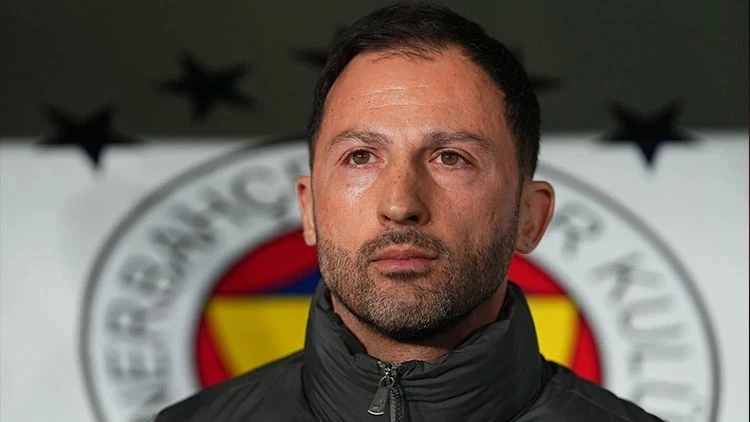
Tedesco’nun Fenerbahçe’den ayrılışı, yalnızca bir teknik direktör değişikliği değil; Türk futbolunun unuttuğu nezakete, samimiyete ve oyun ahlakına duyulan hasretin dışa vurumudur.
Fenerbahçe’ye geldiğinde onu Türkiye’de geniş kitleler çok yakından tanımıyordu. Büyük cümlelerle, meydan okumalarla, tribünleri ateşleyen hamasetle ya da rakiplerini küçümseyen bir dille gelmedi. Sakin geldi. Ölçülü geldi. Daha çok işine, oyuncularına ve oyuna odaklanan bir teknik adam görüntüsüyle geldi.
Fakat giderken durum bambaşkaydı.
Galatasaray karşısında alınan ağır yenilginin ardından görevden alınan Tedesco, yalnızca gönderilmiş bir hoca olarak ayrılmadı. Arkasında garip bir hüzün, derin bir mahcubiyet ve Türk futbolunda pek sık rastlamadığımız türden bir sevgi bırakarak gitti. Onu uğurlayan taraftarların gözyaşları, “Bizi bırakma hoca” duygusu, aslında bir teknik direktöre duyulan bağlılığın çok ötesinde bir anlam taşıyordu.
Çünkü mesele sadece Tedesco değildi.
Taraftar onda, uzun zamandır sahalarda görmeye hasret kaldığı bir insanî ölçü gördü. Yenildiğinde bahane üretmeyen, kazandığında kibirlenmeyen, rakibini tahkir etmeyen, hakemi, zemini, siyaseti ya da “yapı” tartışmalarını sürekli mazeret olarak kullanmayan bir tavır gördü. En önemlisi de futbolda artık neredeyse unutulmaya yüz tutmuş bir şeyi fark ettirdi: İşine saygı duyan, oyuna sadık kalan ve insanî nezaketini kaybetmeyen bir hoca profilinin hâlâ mümkün olduğunu.
Bugün Türk futbolunun en büyük krizlerinden biri yalnızca kötü yönetim, hakem tartışmaları, ekonomik darboğazlar ya da kulüplerin borç sarmalı değildir. Daha derin bir kriz var: üslup krizi. Futbolumuzda uzun zamandır saha içinden çok saha dışı konuşuluyor. Taktikten çok algı, oyundan çok polemik, sahadan çok siyaset, emekten çok gösteri, rakibe saygıdan çok rakibi itibarsızlaştırma öne çıkıyor.
İşte başlıktaki “içimizdeki şeytan” biraz da budur.
O şeytan; yenilgiyi hazmedemeyen öfkedir. Galibiyeti tevazuyla taşıyamayan kibirdir. Rakibi rakip olmaktan çıkarıp düşmanlaştıran dildir. Futbolu oyun olmaktan çıkarıp kavganın, kamplaşmanın, siyasetin ve manipülasyonun aracına dönüştüren zihniyettir.
Bazı teknik adamlar için maç, doksan dakikalık bir oyun olmaktan çıkıyor; maç öncesi demeçlerle, maç sonrası imalarla, basın toplantılarındaki göndermelerle süren bir güç gösterisine dönüşüyor. Futbol, futbol olmaktan çıkıp bir ego sahnesine, bir gerilim tiyatrosuna, çoğu zaman da kitle psikolojisini yönlendirme aracına dönüşüyor.
Tedesco’yu farklı kılan da tam burada ortaya çıktı.
Elbette onun da teknik hataları vardı. Elbette Fenerbahçe taraftarının beklentisi daha büyüktü. Büyük kulüplerde başarı ölçüsü çoğu zaman sonuçtur. Hele Fenerbahçe gibi yıllardır şampiyonluk hasretiyle yaşayan bir camiada sabır göstermek kolay değildir. Fakat bütün bunlara rağmen Tedesco’nun ardından oluşan hüzün, bize başka bir hakikati gösterdi: Taraftar yalnızca kupa istemiyor; vakar da istiyor. Yalnızca galibiyet istemiyor; karakter de istiyor.
Tedesco’nun Fenerbahçe dönemi de normal şartlarda yaşanmış bir teknik direktörlük dönemi değildi. Kulüp başkanlığı değişimi, yönetim tartışmaları, saha dışı krizler, başkanın gözaltına alınması, oyuncularla ilgili soruşturmalar, forvet hattındaki değişimler ve askerî uçak ile helikopterlerle yapılan taciz iddialarına kadar uzanan baskılı atmosfer; bu dönemi sıradan bir futbol sezonu olmaktan çıkardı.
Böylesi bir ortamda birçok kişi öfkeye, mağduriyet söylemine ya da tribüne oynamaya sığınabilirdi. O ise mümkün olduğu kadar işine ve oyuncularına odaklanmaya çalıştı. Belki de onu sevdiren şey tam olarak buydu.
Çünkü taraftar, sanıldığından daha derin bir sezgiye sahiptir. Kimin samimi olduğunu, kimin rol yaptığını, kimin gerçekten çalıştığını hisseder. Bazen mağlubiyete öfkelenir ama emeğe saygı duyar. Bazen taktiği eleştirir ama karakteri ayırır.
Hadi Tedesco’yu kovduk.
Peki, futbolumuzu zehirleyen o dili, o kibri, o öfkeyi, o tahkir alışkanlığını ne yapacağız?
Fenerbahçe bir hocasını kaybetti; fakat Türk futbolu, onun gidişiyle kendi içindeki şeytanın esiri olmuş bir futbol iklimiyle baş başa kaldı.
We Have Fired Tedesco; But What About the Devil Within Us?
Tedesco’s departure from Fenerbahçe is not merely a change of head coach; it is an expression of our longing for the courtesy, sincerity, and sporting ethics that Turkish football seems to have forgotten. When he arrived at Fenerbahçe, he was not someone widely known by the masses in Türkiye. He did not come with grand declarations, challenges, populist rhetoric to inflame the stands, or language that belittled his opponents. He came calmly. He came with restraint. He appeared more like a coach focused on his work, his players, and the game itself. But when he left, the situation was entirely different. After the heavy defeat against Galatasaray, Tedesco was dismissed; yet he did not leave merely as a coach who had been sacked. He left behind a strange sadness, a deep sense of embarrassment, and a kind of affection rarely encountered in Turkish football. The tears of the fans who saw him off, their feeling of “Don’t leave us, coach,” carried a meaning far beyond attachment to a technical director. Because the issue was not merely Tedesco. In him, the fans saw a humane measure they had long missed on the football fields. They saw an attitude that did not produce excuses in defeat, did not grow arrogant in victory, did not insult the opponent, and did not constantly use the referee, the pitch, politics, or debates about “the structure” as pretexts. Most importantly, he reminded us of something that has almost been forgotten in football: that it is still possible to have a coach who respects his work, remains loyal to the game, and does not lose his human courtesy. Today, one of the greatest crises in Turkish football is not merely poor management, referee debates, economic bottlenecks, or the debt spiral of clubs. There is a deeper crisis: a crisis of style and discourse. For a long time, in our football, what happens off the pitch has been discussed more than what happens on it. Perception has come before tactics, polemics before the game, politics before the field, spectacle before effort, and discrediting the opponent before respecting him. This is, in part, what I mean by the “devil within us” in the title. That devil is the anger that cannot digest defeat. It is the arrogance that cannot carry victory with humility. It is the language that turns an opponent into an enemy. It is the mentality that transforms football from a game into an instrument of conflict, polarization, politics, and manipulation. For some coaches, a match is no longer a ninety-minute game; it turns into a show of power that continues through pre-match statements, post-match insinuations, and allusions in press conferences. Football ceases to be football and becomes a stage for ego, a theatre of tension, and, all too often, a tool for directing mass psychology. This is precisely where Tedesco’s difference became clear. Of course, he too had technical mistakes. Of course, Fenerbahçe fans had greater expectations. In big clubs, success is often measured by results. Especially in a 1community like Fenerbahçe, which has lived for years with a longing for the championship, showing patience is not easy. Yet despite all this, the sadness that emerged after Tedesco’s departure revealed another truth to us: the fans do not want trophies alone; they also want dignity. They do not want victory alone; they also want character. Tedesco’s period at Fenerbahçe was not, under normal conditions, an ordinary managerial spell either. The change in club presidency, administrative disputes, off-field crises, the detention of the president, investigations involving players, changes in the forward line, and the tense atmosphere extending even to allegations of harassment by military aircraft and helicopters turned this period into something far beyond an ordinary football season. In such an environment, many people could have taken refuge in anger, in a discourse of victimhood, or in playing to the stands. Yet he tried, as much as possible, to focus on his work and his players. Perhaps this was exactly what made people love him. Because fans possess a deeper intuition than is often assumed. They can sense who is sincere, who is acting, and who is truly working. Sometimes they become angry at defeat, but they respect effort. Sometimes they criticize tactics, but they distinguish character from everything else. So, we have fired Tedesco. But what are we going to do about that language, that arrogance, that anger, and that habit of contempt which poison our football? Fenerbahçe has lost one of its coaches; yet with his departure, Turkish football has been left alone with a football climate enslaved by the devil within itself. Hüseyin BAY 01.05.2026 2
